
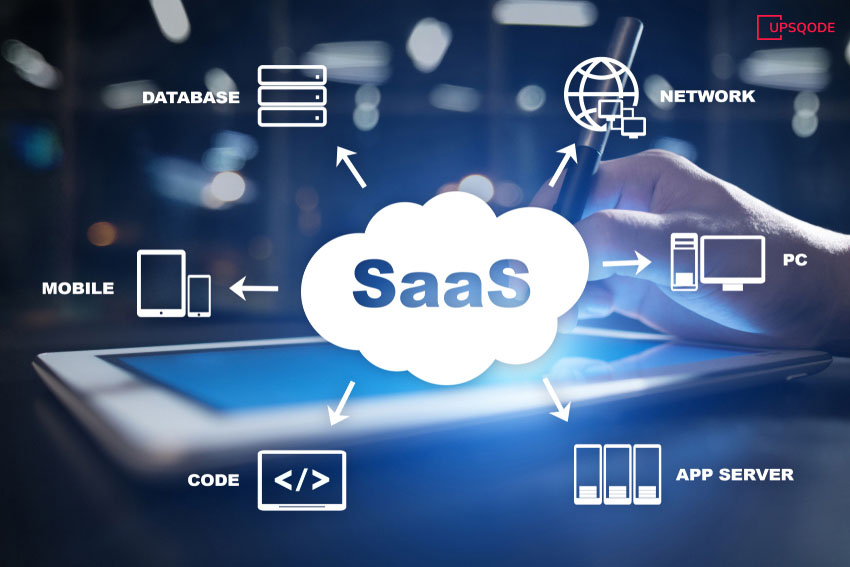
Software as a Service (SaaS) is one of the most popular and successful business models in today’s digital world. Instead of selling software as a one-time purchase, SaaS products are delivered over the internet and offered through subscription-based pricing. Users can access the software anytime, anywhere, without worrying about installation, updates, or maintenance.
Well-known examples of SaaS products include Google Workspace, Slack, Zoom, Salesforce, and Dropbox. These products have transformed how businesses and individuals work by offering flexibility, scalability, and cost efficiency.
Building a SaaS product can be highly profitable, but it also requires careful planning, strong execution, and a deep understanding of user needs. This guide will walk you through every major step involved in building a successful SaaS product.
Understanding the SaaS Market
Before writing a single line of code, it’s essential to understand the market you are entering. A successful SaaS product always starts with a real problem that people are willing to pay to solve.
Market research helps you identify gaps, pain points, and opportunities. You should study your potential users, their daily challenges, and how they currently solve those problems. Competitor analysis is also important, as it shows what already exists and how you can differentiate your product.
Understanding your target audience—whether startups, enterprises, freelancers, or consumers—will guide your product features, pricing, and marketing strategy.
Planning Your SaaS Product
Planning is the foundation of a strong SaaS product. This stage focuses on defining your product vision and business strategy.
Start by clearly defining your value proposition—what makes your product unique and why users should choose it over competitors. Then decide whether you will build a Minimum Viable Product (MVP) or a fully-featured solution. An MVP helps you launch faster, test ideas, and collect real user feedback.
Pricing is another critical decision. Common SaaS pricing models include monthly subscriptions, annual plans, freemium models, and usage-based pricing. The right model depends on your audience and the value your product delivers.
Designing User Experience (UX) and Interface (UI)
A SaaS product must be easy to use and visually appealing. Good design improves user satisfaction, engagement, and retention.
UX design focuses on how users interact with your product. This includes navigation, workflows, and overall usability. UI design, on the other hand, deals with layout, colors, fonts, and visual elements.
Wireframes and prototypes are commonly used to visualize the product before development. A user-centric design approach ensures that your product solves problems efficiently and feels intuitive from the first interaction.
Choosing the Right Technology and Architecture
Selecting the right technology stack is crucial for building a scalable and reliable SaaS product. Your choices should support performance, security, and future growth.
Most SaaS products use cloud platforms such as AWS, Google Cloud, or Microsoft Azure. These platforms provide scalability, data storage, and infrastructure management. Backend technologies often include Node.js, Python, Ruby, or Java, while frontend frameworks like React, Vue, or Angular are widely used.
A well-planned architecture allows your product to handle increasing users without performance issues. Scalability should be considered from the beginning, not as an afterthought.
SaaS Product Development Process
The development phase turns ideas into a working product. Agile development methodologies are commonly used in SaaS projects because they allow flexibility and continuous improvement.
Development usually starts with building core features that solve the main problem. Additional features can be added later based on user feedback. Regular testing during development helps catch bugs early and ensures a stable product.
Collaboration between developers, designers, and product managers is key to keeping development aligned with the original vision.
Security and Compliance
Security is a top priority for SaaS products, especially when handling sensitive user data. A single data breach can damage trust and reputation.
Basic security measures include data encryption, secure authentication, access controls, and regular security audits. Compliance with regulations such as GDPR or other local data protection laws may also be required depending on your target market.
Building security into your product from the start is far more effective than trying to fix issues later.
Testing and Product Launch
Before launching your SaaS product, thorough testing is essential. This includes functional testing, performance testing, and usability testing.
Beta testing with a small group of users helps identify real-world issues and gather valuable feedback. Once the product is stable, you can plan your official launch.
A successful launch strategy may include marketing campaigns, email announcements, content marketing, or partnerships. The goal is to create awareness and attract early users.
Marketing and Growth Strategies
Building a great SaaS product is not enough—you also need users. Marketing plays a critical role in growth.
Common SaaS marketing strategies include content marketing, SEO, social media promotion, paid ads, and referral programs. Free trials and demos can help potential customers experience the value of your product before committing.
User onboarding is equally important. A smooth onboarding process helps users understand your product quickly and increases retention.
Scaling and Optimization
As your user base grows, your SaaS product must scale smoothly. This includes improving performance, optimizing infrastructure costs, and enhancing features.
Analytics tools help track user behavior, feature usage, and churn rates. These insights guide data-driven decisions for future improvements.
Scaling also involves expanding your team, improving customer support, and continuously refining the product based on feedback.
Maintenance and Customer Support
A SaaS product is never truly finished. Continuous maintenance, updates, and improvements are required to stay competitive.
Regular bug fixes, feature updates, and performance enhancements keep users satisfied. Customer support plays a vital role in building trust and long-term relationships.
Listening to user feedback and responding quickly to issues can set your SaaS product apart from competitors.
Conclusion
Building a SaaS product is a complex but rewarding journey. From idea validation and planning to development, launch, and scaling, each step requires careful attention and strategic thinking.
Successful SaaS products focus on solving real problems, delivering value, and continuously improving based on user needs. With the right approach, technology, and mindset, you can build a SaaS product that grows sustainably and stands out in the market.